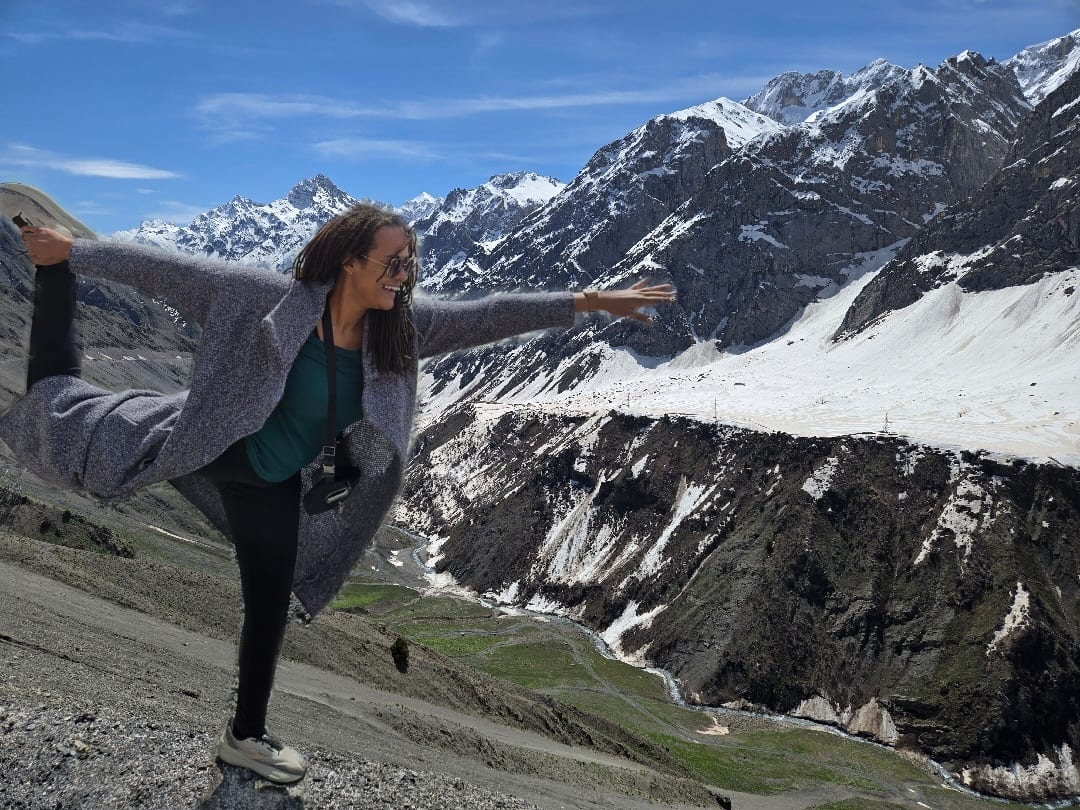
It Du(shan)be like that in Tajikstan
For my 30th birthday I wanted to go to a region that endlessly fascinates me and to which I had never been before: Central Asia. The Silk Road was traveled by Europeans, Asians, Muslims, Christians, Soviets, and merchants from groups that have probably been lost to time. I don’t think there’s a record of such distinct cultures combining over such an extensive period of time anywhere else in the world. The ghosts of many cultures and peoples linger in the area, though it remains a road less traveled for people of my complexion.
With this two week period covering my birthday I wanted to go to at least two countries including Turkmenistan—mostly due to the complexities of the visa and travel process. This trip through Native Eye covered Tajikstan, Uzbekistan, and Turkmenistan. Each country had its own peculiarities, which I plan on covering in multiple digestible posts.
a day in Dushanbe, alone
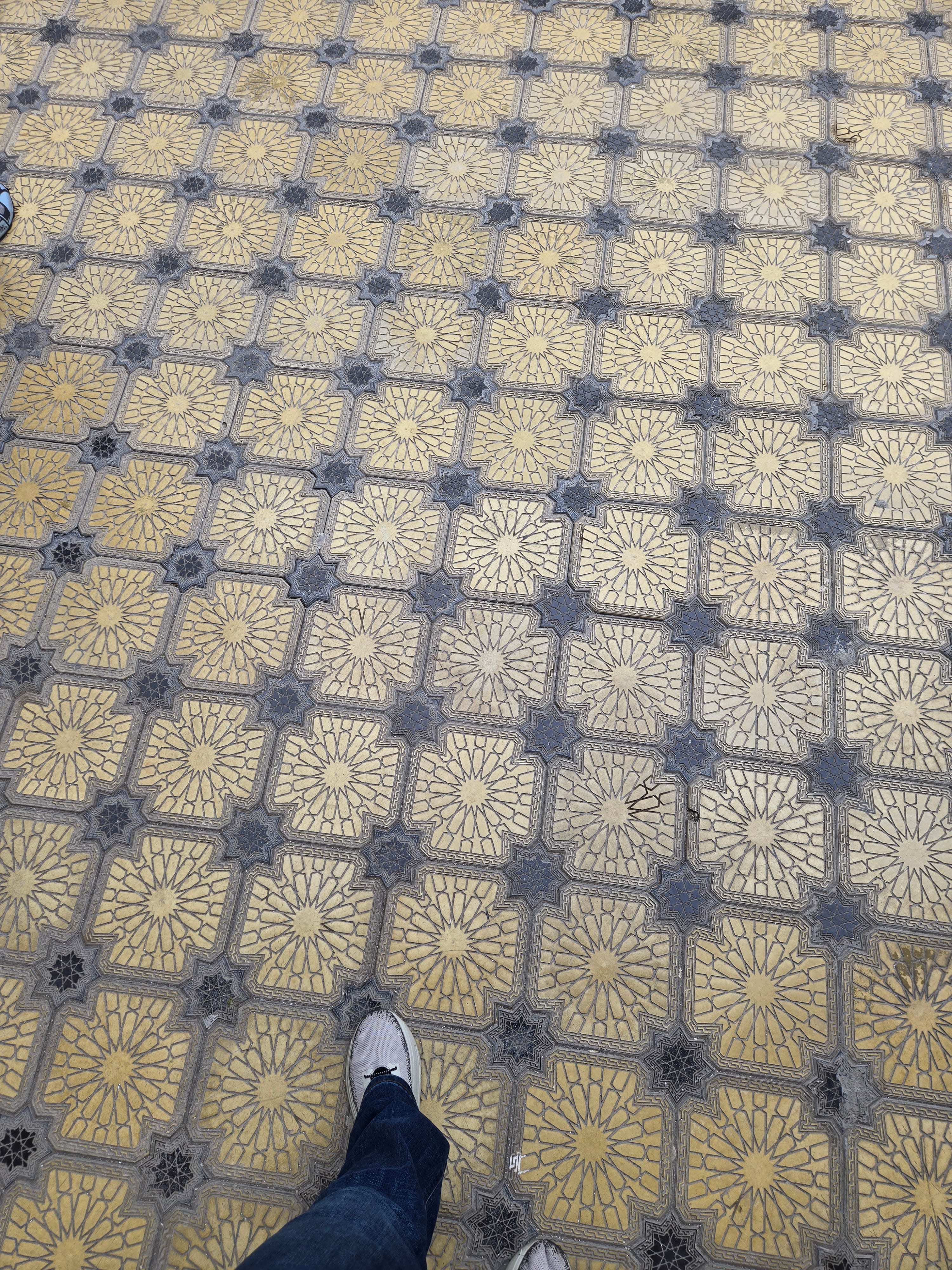
Having arrived the night before the official itinerary started, I spent the first day walking around Dushanbe. I didn’t realize before coming here that Tajikistan and Tajiks are over 90% Persian. In fact, Farsi and Tajik are mutually intelligible, and even more so before the Soviets. In addition to the language, the Persian influence is clearly shown in the decor and food—pomegranate in tabouleh is a fascinating choice. Even the Iranian and Tajik flags are similar. Iranians are famous for their architecture, and while Tajiks don’t have the same claim to fame, the culture bleeds into (especially) recent works.
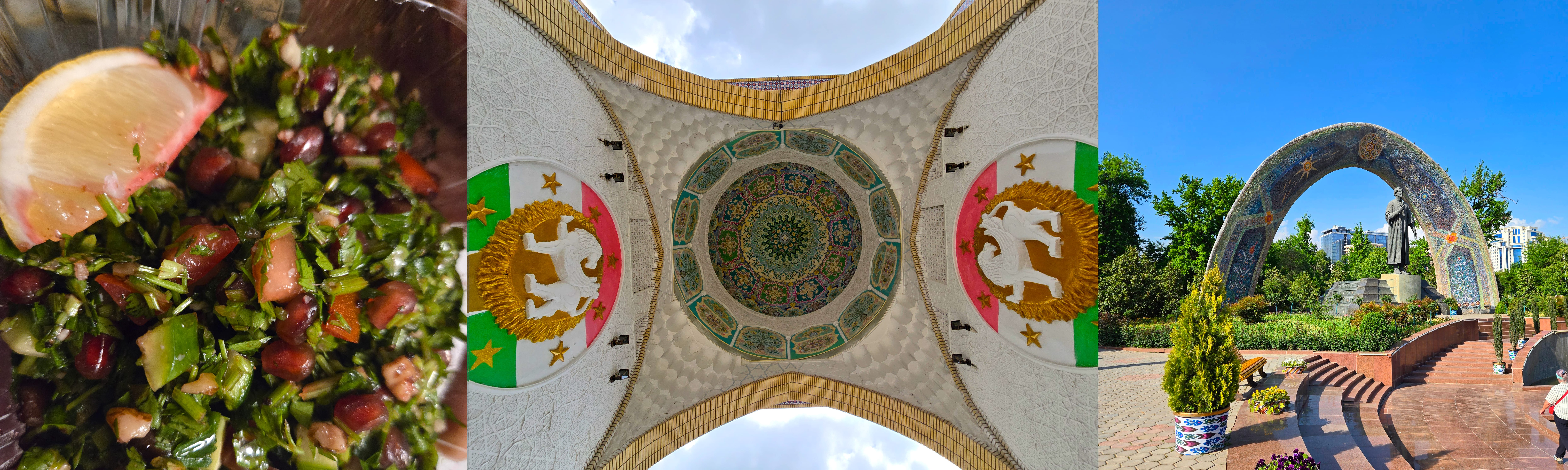
The only thing I could find to do other than wander through parks was visit the Museum of Antiquities, home of the famous and massive sleeping Buddha. After years of various visits, museums often just feel like “stuff”, so I mostly went to admire some Persian artwork. As a lover of geometric designs, Tajik artisans really make some beautiful articles. The sleeping Buddha was massive, and it quite literally fills the room. According to its museum label, the statue had to be cut into 92 pieces in order to be transported; and yet I’m still left wondering how they got them to the second floor.
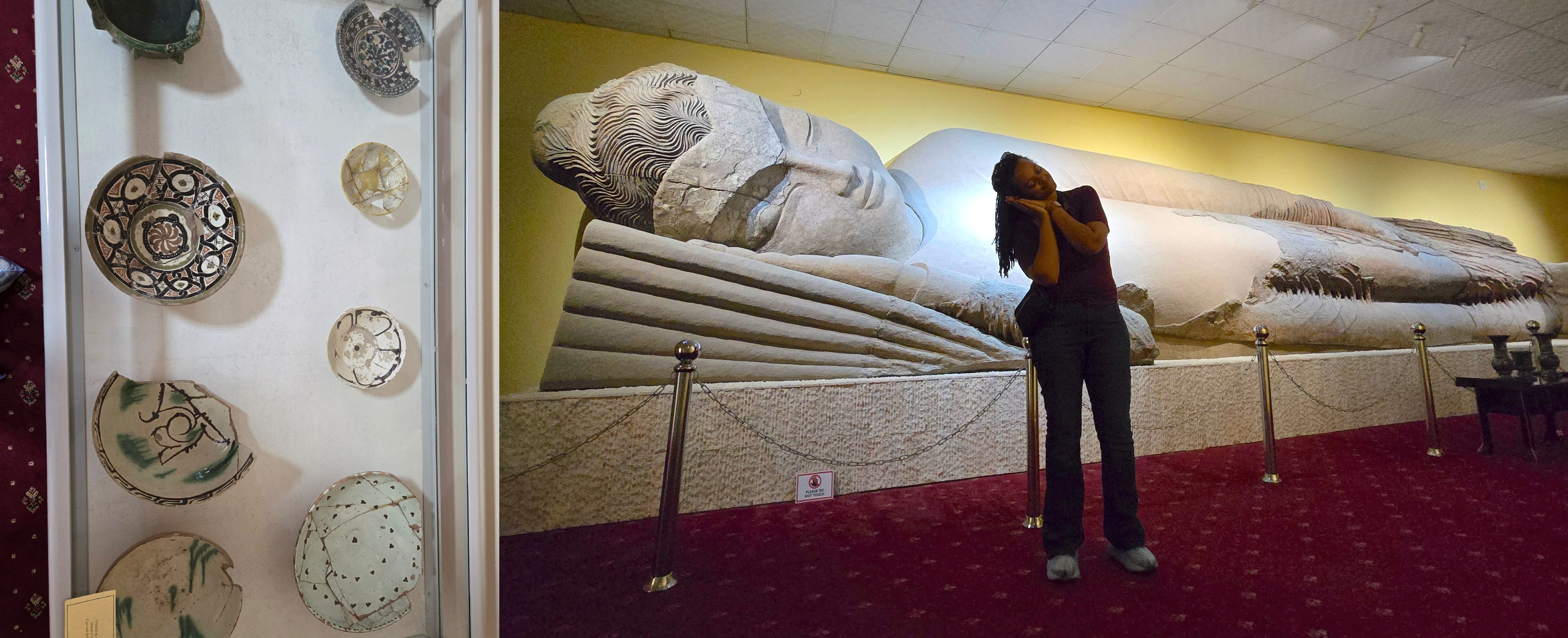
Spring is a beautiful time to travel if you don’t have allergies. The walks through the park were delightful, though I found myself sneezing up a storm. One park had three Korean food stands, so maybe Korean food is very popular here? This is in addition to a Korean restaurant by the hotel. Maybe the Tajiks love K-Pop? Who knows.
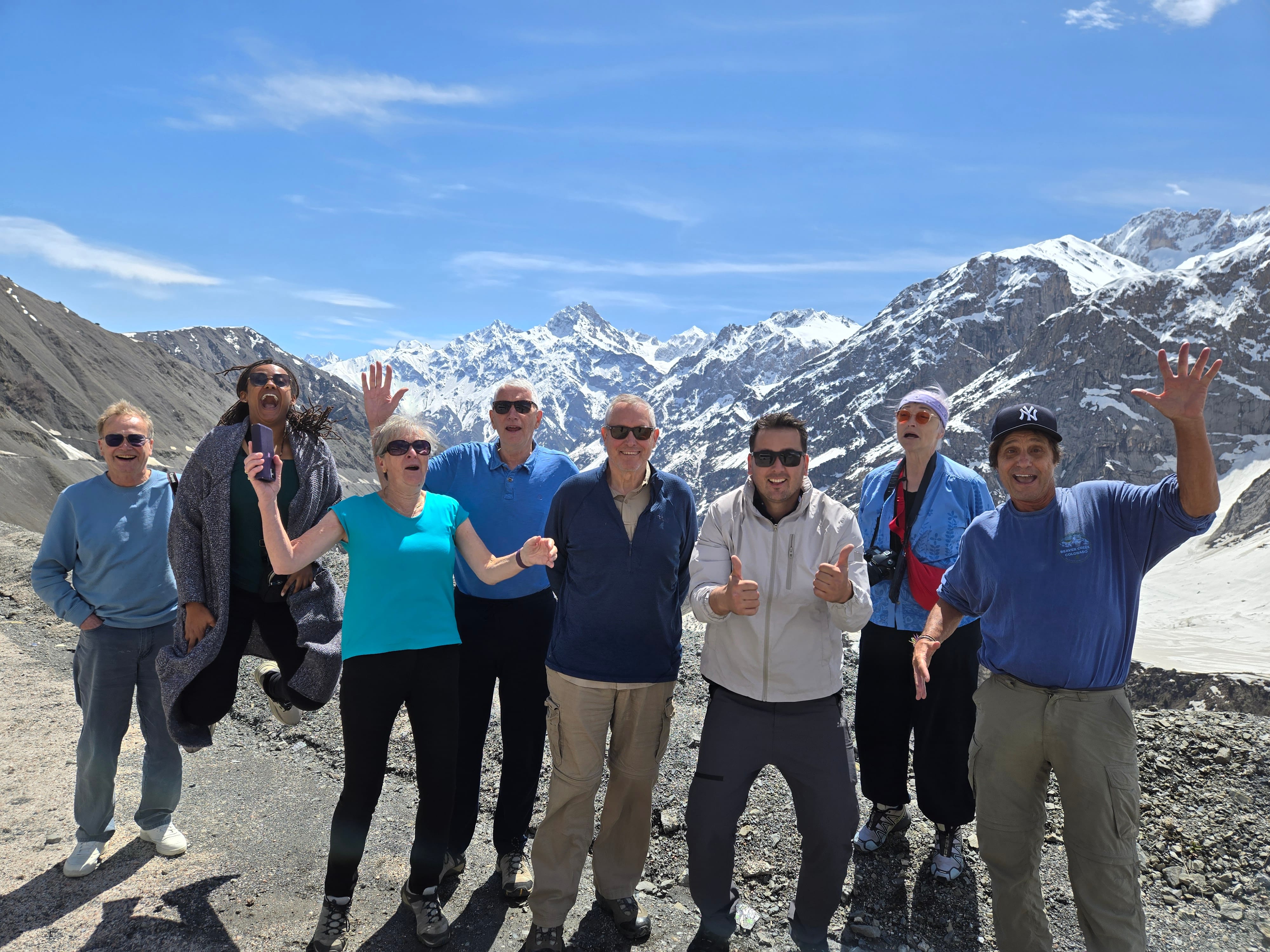
In the evening I met my tour group, of which I was the youngest by 40 years. Apparently the increased interest in central Asia from the “young” has not translated to more paid tours from them. Elderly Brits and Americans seem to be the primary (if not the target) demographic, so my worries about being fit enough for “moderate” activity were less than necessary.
guided around Dushanbe
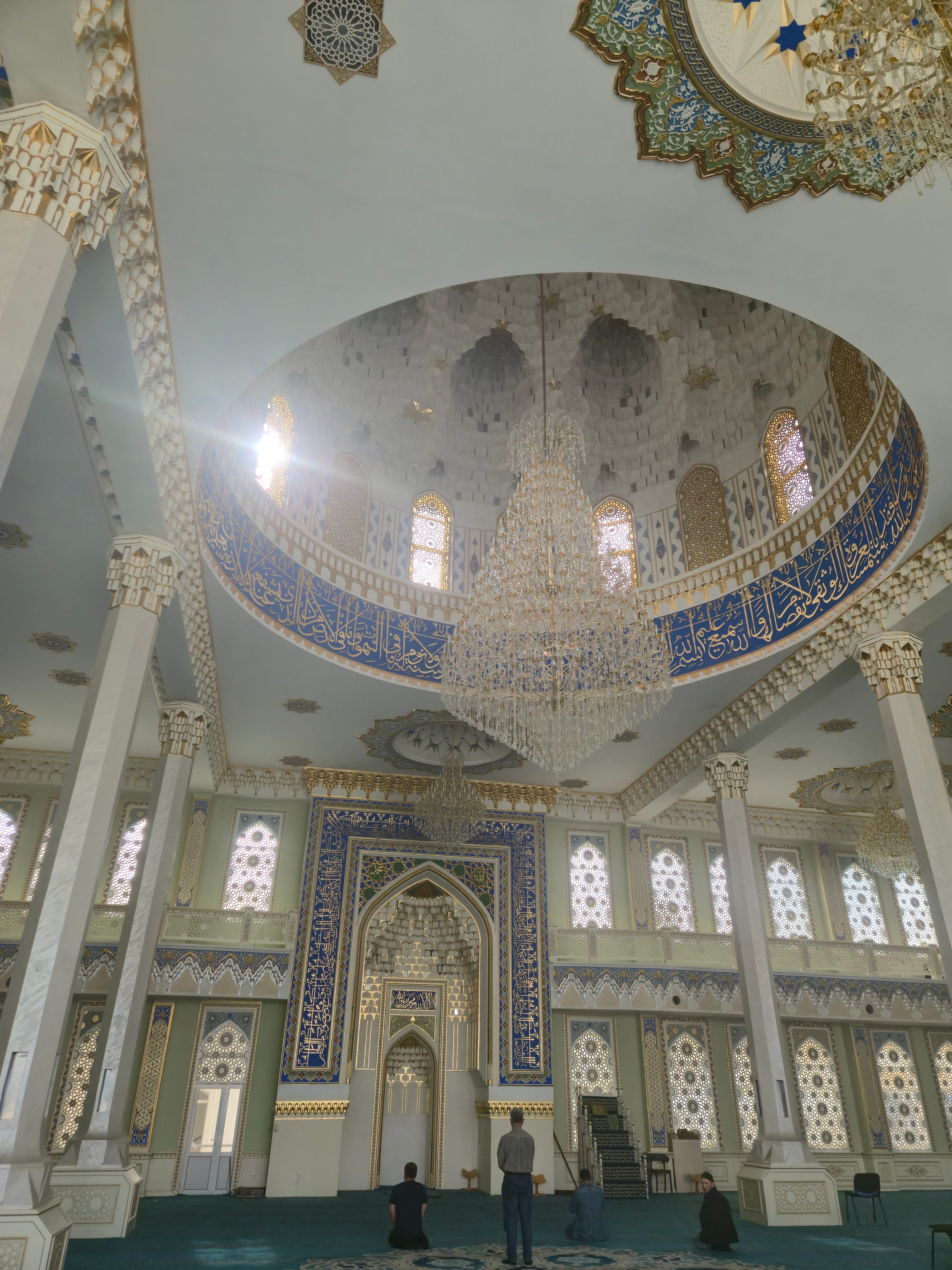
With the transport of a van, we got to cover far more ground. We started the day off strong by going to the Hissar Fortress, to which I’m pretty sure no black people go to. The first time someone stopped me, I was a bit thrown off because I thought they wanted me to take a picture. After multiple people stopped me, I understood that they wanted a photo with me and/or their children. Some people were also taking pictures of me while walking around, which I disliked but ultimately found some humor in.
There aren't many attractions in Dushanbe nor tourists, so we spent the rest of our day mainly seeing (beautiful) governmental buildings, gardens, and the world’s largest tea house (supposedly.) I also had a very funny interaction with a Tajik child who, after being slightly frustrated that I spoke neither Tajik nor Russian, held out her hand for a hand shake and then slapped the shit out of mine when I reciprocated. A friend mentioned that she probably saw high-fives in movies and assumed the location didn’t matter, which is very on-brand for a child. Apparently even adult Russians don’t understand the concept of a “low-five”, so fair enough! My hand still stung though.
into the Iskandar Lake
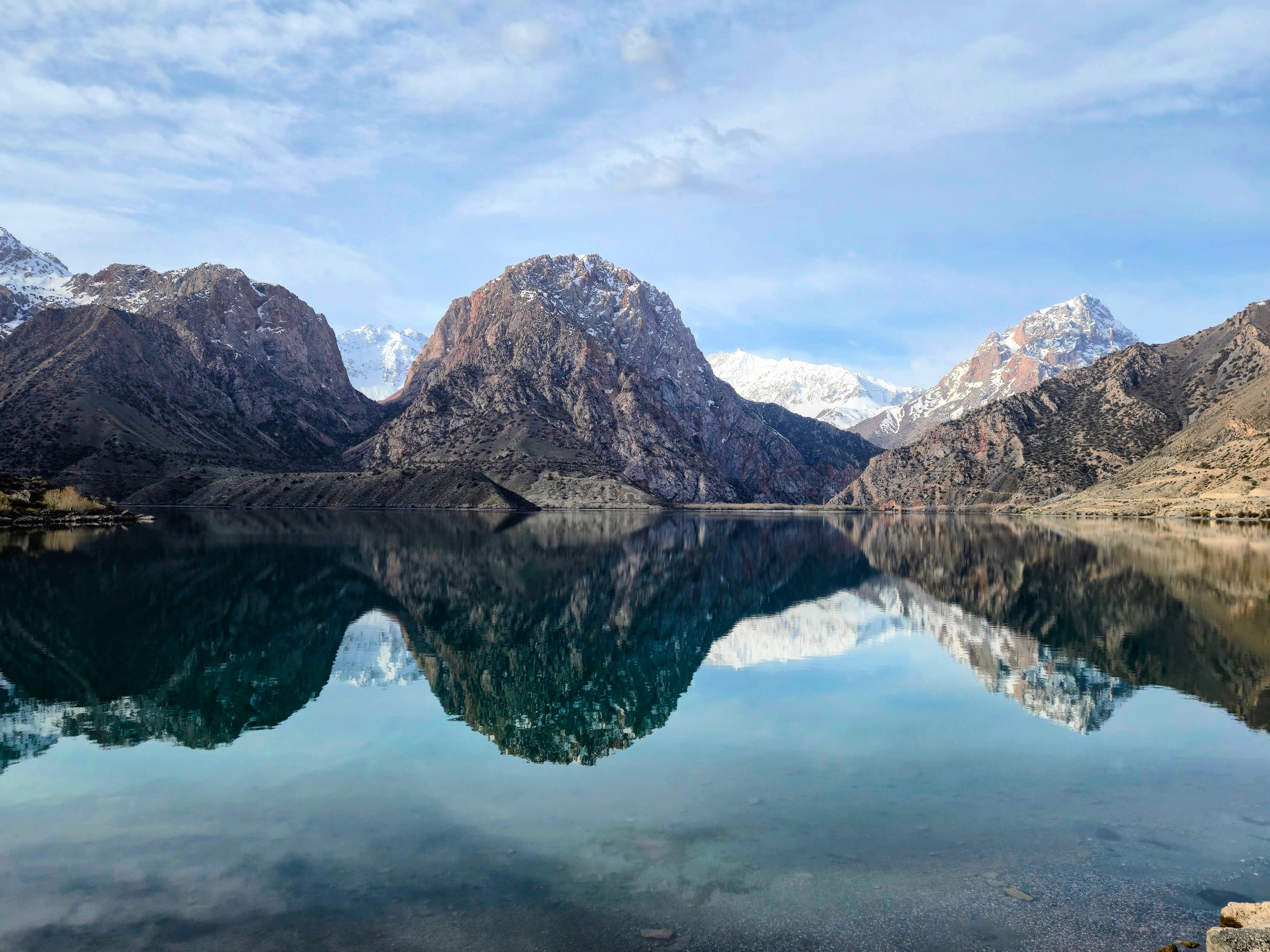
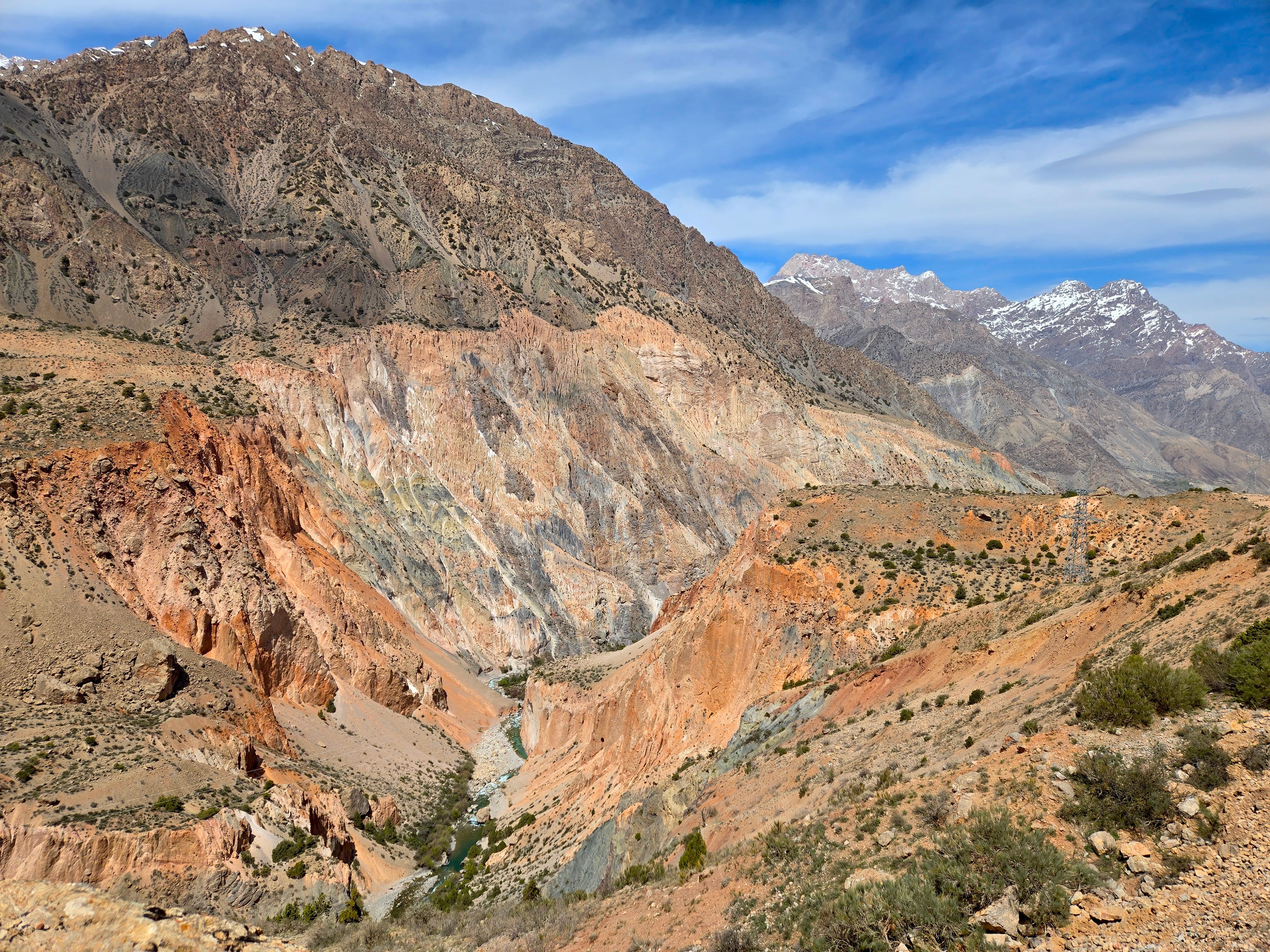
The other reason I wanted this tour specifically was for Iskandarkul (aka Alexandar Lake.) The only thing better than a beautiful blue lake is one with snowcapped mountains, and Iskandar did deliver. The drive was a couple hours even before the stops we made for views and villages. Mountains of minerals temporarily disconnected us from society and internet, but also semi-disconnected us from running water (for a few hours.) All these lakes and rivers and yet I had to flush the toilet with water from the sink.
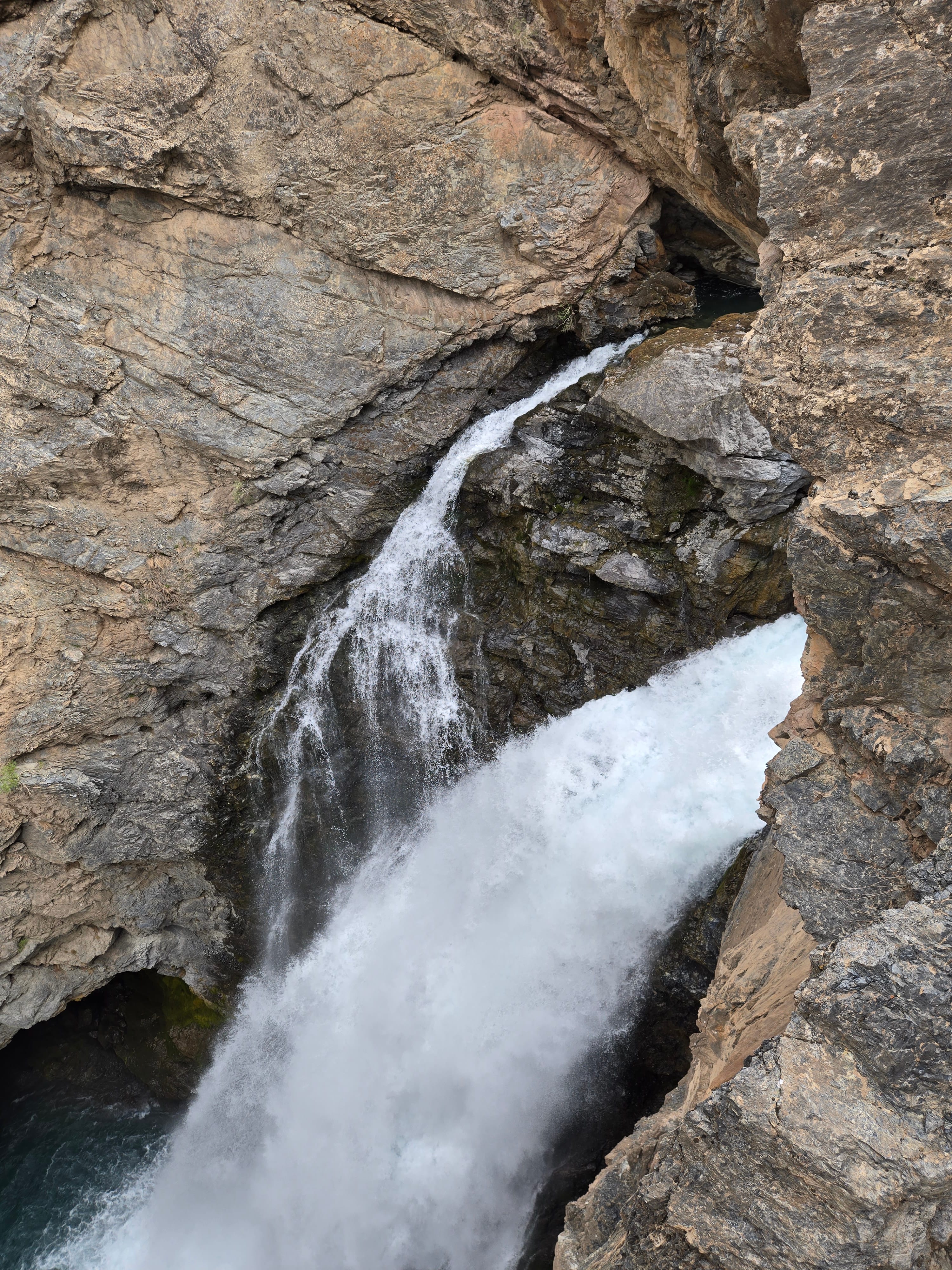
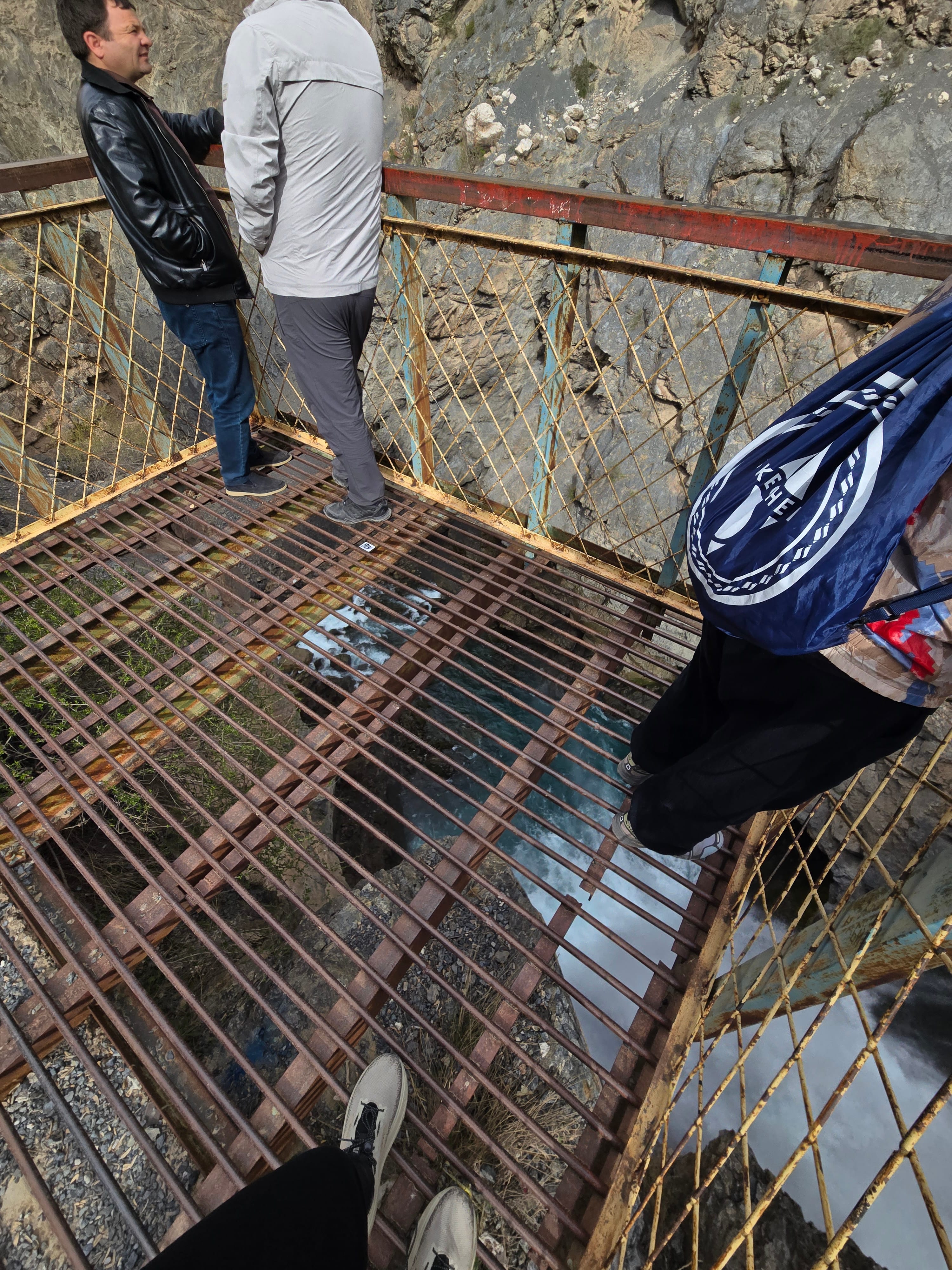
After arriving to the cottages (aptly named Tourist Hotel), we went on what we were told would be at most an hour long walk that was closer to a 2.5 hour light trek. Fortunately, none of my wisened tour-mates fell. Our trek led us a partially obstructed waterfall which was slightly underwhelming but also absolutely terrifying because of the balcony made up of pipes.
back to the bazaars
In Khujand, we saw a series of beautiful mosques and madrasahs before heading to another bazaar. Our last day in Tajikistan left me somewhat unimpressed. While I can appreciate the beauty and intrigue in most places, I also felt far too out of place and heavily perceived. Spending time in Europe more than prepared me for Roma people, but less so in the bazaar. While walking around, a Roma woman asked for money, which is normal. When I did the hand sign for “I can't,” she actually hit me on my shoulder—decidedly NOT normal. I was very close to causing an international incident, but I moved on to a quieter part of the bazaar and bided my time before heading out to the van.
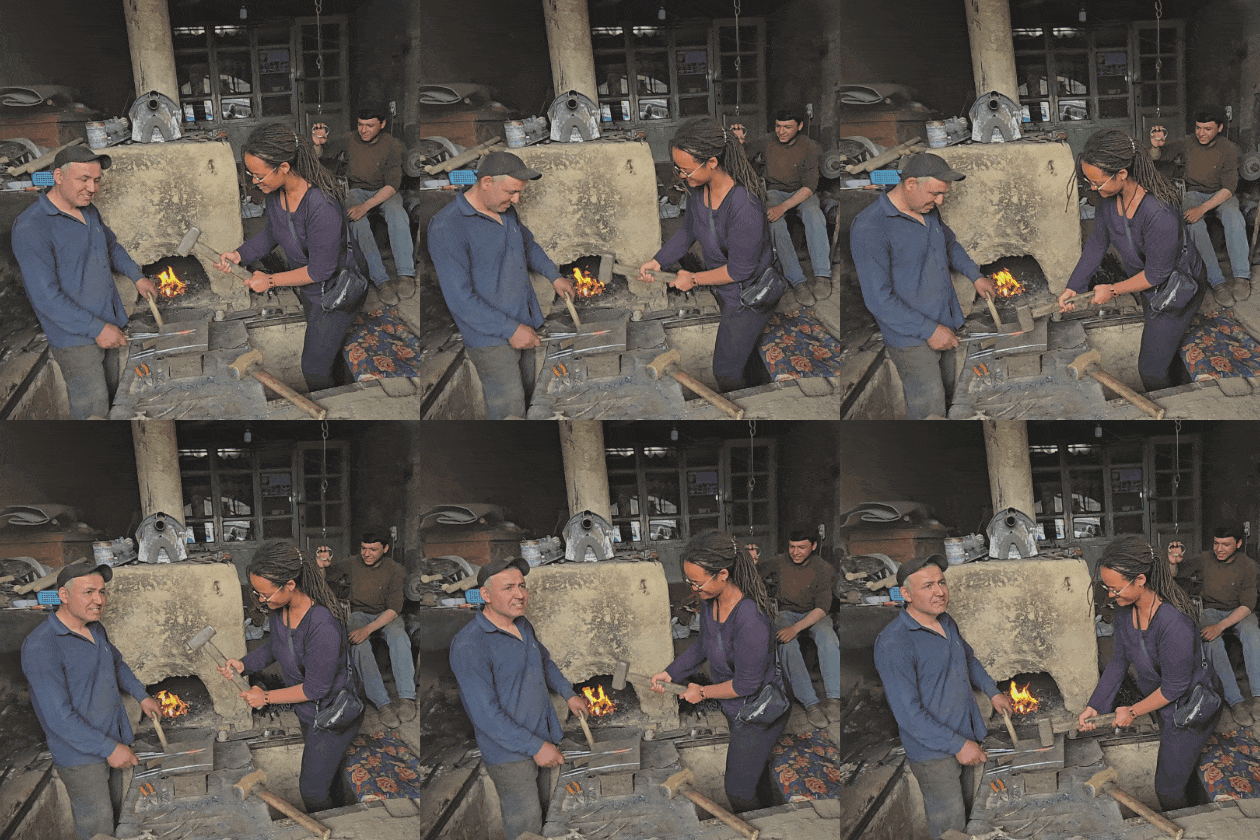
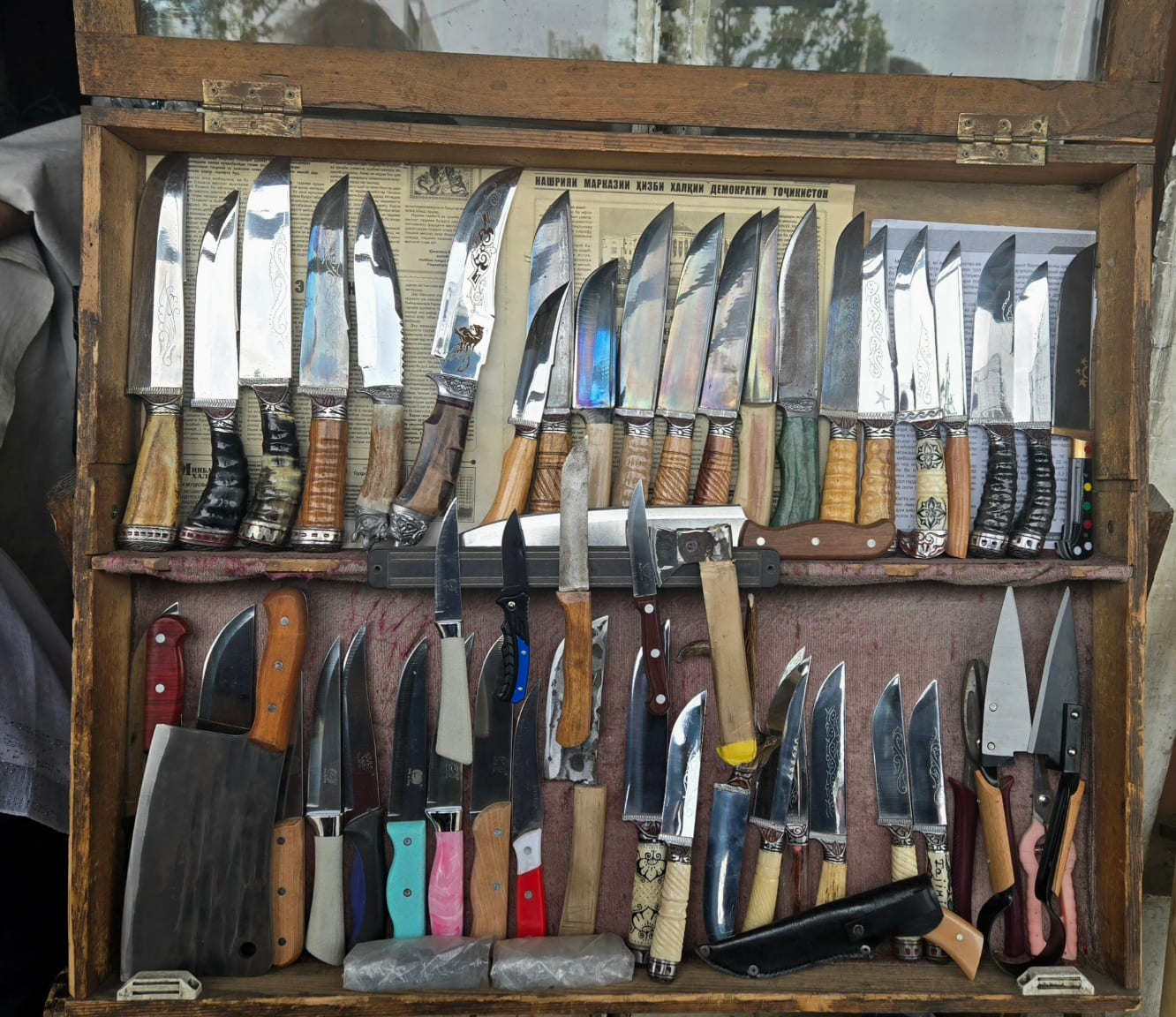
Watching the blacksmiths post-bazaar was pretty enjoyable. I don’t know how Tajik knives rate on a global scale, but another member of the group mentioned that the knife he bought was sharp enough to shave with. Also incredibly shiny. The artisans working on a tine for a hoe even invited us into the hole for a few whacks. Thanks to some built up irritation, I was more than prepared to beat a hoe.
tajik thoughts
For the curious observer, Tajiks are quite fascinating. 90% of Tajiks speak Russian to some degree, and yet they do not align themselves with Russia in any way. Their “President” is facing away from the camera in almost every photo of him plastered in the public eye. Part of me wonders if this is an attempt to look slimmer, but it could also be an attempt to look casual. Regardless, sometimes it seemed that even the president was looking out of Tajikistan.
Some things I noticed about Tajik society: men do not really have facial hair, which according to the guide was due to “brainwashing.” I lost his train of thought in his explanation to this observation, but googling told me that this was because higher powers associated facial hair with terrorism. That the people known for being hairy walk around bald-faced speaks to how much power their “President” (read: dictator) has. That’s commitment. Surely the ever-present image of their great leader has no influence.
Honestly, I don’t see myself returning or wanting to return to Tajikistan. Beyond the limited sights, I also just felt uncomfortable in a way I haven’t been anywhere else I’ve visited. Save for the minor assualt, I physically and materially felt very safe. The latent air of ostracization is something I do not wish to re-experience, though I’m happy I got to experience the Tajik version of it. Every region has their biases, so while I don’t necessarily care about their existence, I do care about their expression. If only all Tajiks were as friendly and light-hearted as our lovely guide.